
Wealth planning
SCI, split ownership or joint ownership: choosing the right structure
These three terms come up in every conversation about buying with others. They do not solve the same problem, and the wrong choice is paid for above all at the moment the family stops agreeing.

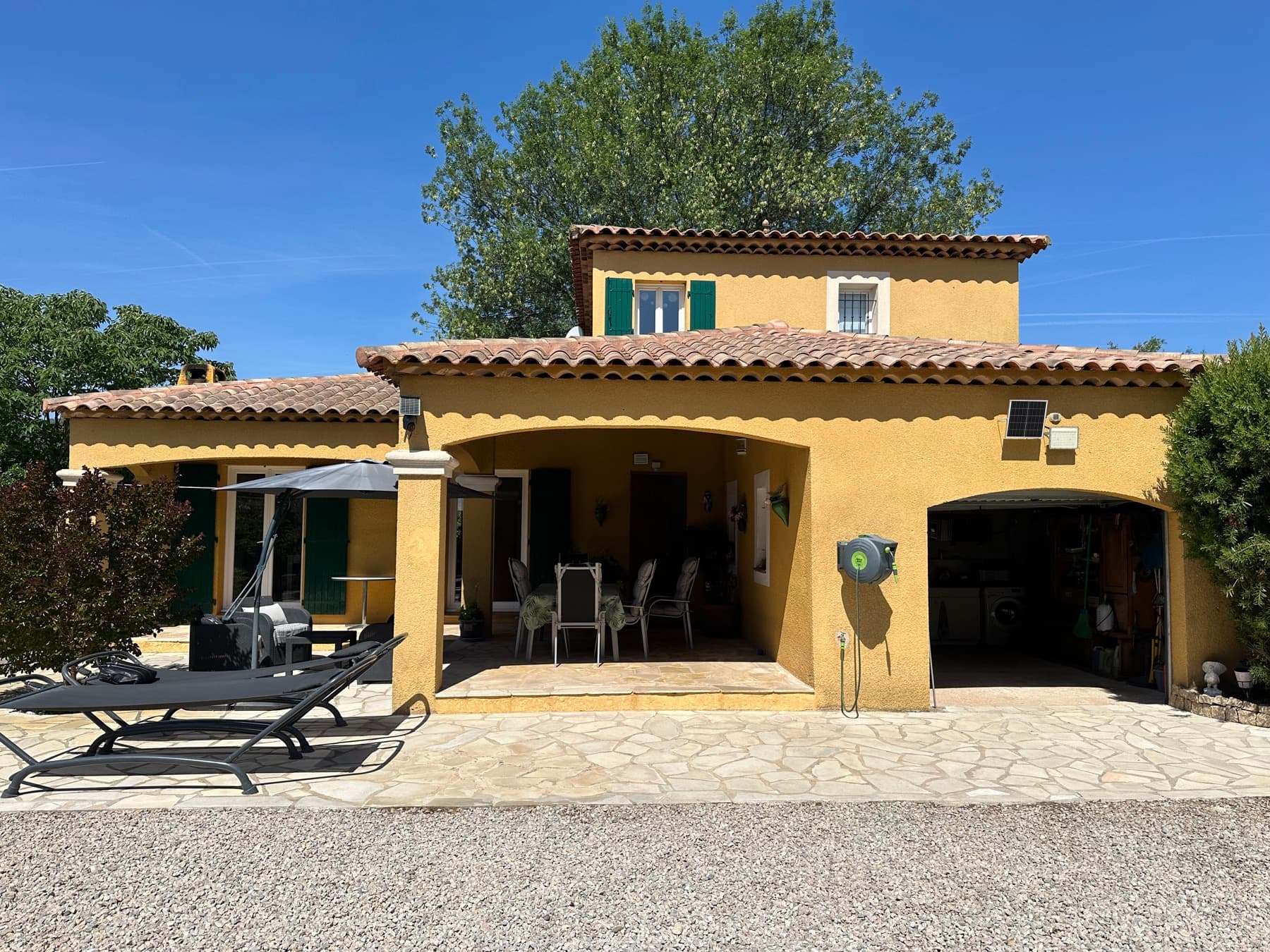
One useful point first: these structures are the province of the notaire and, on the tax side, of a wealth adviser. My role is to raise the question early enough for it to be asked before the purchase, while it still costs almost nothing.
Indivision: the default position
When several people buy together without organising anything, they are en indivision — joint owners of undivided shares. Each holds a share of the property, in principle proportionate to their contribution, and decisions are taken by majorities set by law, with the most significant requiring unanimity.
Indivision is free and immediate. That is its only real advantage. Its fragility rests on one principle: no one can be compelled to remain in indivision. A single co-owner can force the exit, and failing agreement, a sale can be ordered by the court.
For a couple buying their main home, it is usually enough. For a purchase between siblings, or for a property meant to be held for a long time, it is the structure that generates the most conflict.
A convention d'indivision, drawn up by a notaire, allows the management rules to be organised and that instability to be limited. It is the minimum as soon as you go beyond a couple.
The SCI: organising management and succession
A société civile immobilière — a non-trading property company — owns the property; the individuals own shares in the company. That shift changes a great deal.
- Management is entrusted to a manager, under articles you draft yourselves. You escape unanimity imposed by default.
- Succession happens by gifting shares, gradually, which spreads the use of the allowances available on lifetime gifts.
- Members joining and leaving is governed by the articles, with approval clauses that stop you finding yourself in business with just anyone.
Against that, an SCI is a company: incorporation costs, accounts to keep, meetings, formalities. It also has an exit cost. And the choice of tax regime — income tax or corporation tax — is a long-term commitment with very different consequences on resale. That choice is not made without advice.
An SCI set up for a single property owned by a couple with no particular succession plan mostly adds complexity. It earns its keep as soon as there are several properties, several generations or several branches of a family.
Démembrement: separating use from ownership
Démembrement separates the usufruit — the right to use the property and take its income — from the nue-propriété, the bare ownership of those rights. On the death of the usufructuary the usufruit ends and the bare owner becomes full owner, with no further inheritance tax on that extinction.
This is the classic mechanism for passing assets on early: parents gift the bare ownership to their children while keeping the use of the property and its income. The value of the bare ownership gifted is set by a tax scale based on the usufructuary's age — the earlier the gift, the more efficient it is.
Démembrement is often combined with an SCI: the company shares are split rather than the property itself, which simplifies both management and exit.
Its constraints are real. Usufructuary and bare owner must agree in order to sell. How charges and major works are divided between them follows precise rules, a classic source of disagreement if it is not settled in writing in advance.
How do you choose, in practice?
The question is not “which structure is best” but “which problem am I trying to solve”.
- Buying a main home as a couple, with no succession issue: indivision is usually enough, ideally framed by a convention.
- Buying with several people, or holding several properties, with a wish for lasting management: that is what an SCI is for.
- Passing property to your children while keeping the use of it: démembrement is the right tool.
- Protecting a spouse or a partner: that is first a question of matrimonial regime and will, before it is a question of structure.