
Buying
Seven checks before you sign a compromis
The compromis de vente — the preliminary contract — is binding. The ten-day cooling-off period given to a non-professional buyer is short, and it does not cover the unpleasant surprises that surface months later.

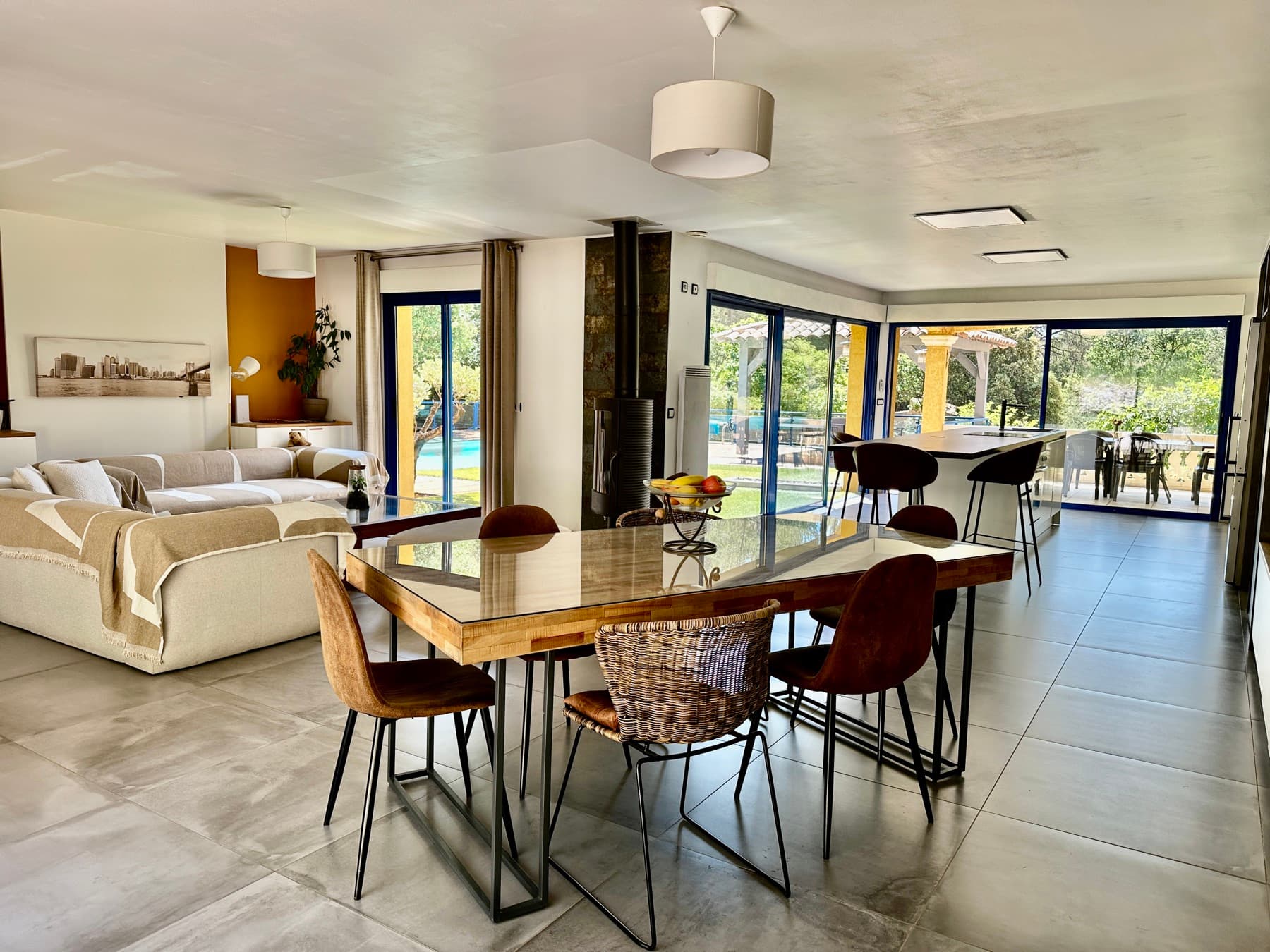
Here are the seven checks I make as a matter of course before letting a client sign. None of them is theoretical: each corresponds to a file where the point had not been looked at.
1. What does the local plan say about this plot?
The plan local d'urbanisme determines what you will be able to do with the property: extend, build a pool, subdivide the plot, change its use. It is free to consult at the mairie and usually online. The sensitive point in the Var is how often these plans are revised: a plan under review can change what may be built between your viewing and your building project three years later.
Ask for the certificat d'urbanisme as well. In its detailed form it states whether the plot can take the specific project you have in mind, and it freezes the applicable rules for a set period.
2. Are there easements over the property?
A right of way benefiting a neighbour, a pipe crossing the land, a right to light, a future road alignment: these are not always visible on site and they weigh on both use and value. They should appear in the title deeds and in the earlier deeds, which the notaire traces back.
A right of way across a property in the Var hinterland, where landlocked plots are common, is no small matter: it goes to the very seclusion you came looking for.
3. How is the property drained?
Many communes in the central Var have areas on private drainage rather than mains. The seller must provide an inspection of the system carried out by the competent public service and dated within the last three years. If the system is non-compliant, bringing it up to standard falls to the buyer, within a limited period after completion.
This is one of the items where the gap between the optimistic estimate and the real invoice is widest. Get it quoted before you sign, not after.
4. Do the surveys say anything worrying?
The technical survey pack is annexed to the compromis. Depending on the age and nature of the property it includes, among others:
- The energy performance certificate, now legally binding: it engages the liability of whoever commissioned it, and it governs whether the property may be let, according to its rating.
- The termite report, particularly relevant in the Var where many communes are covered by a prefectoral order.
- Asbestos for building permits granted before July 1997, lead for properties built before 1949.
- The condition of the gas and electrical installations where they are more than fifteen years old.
- The risk statement, which sets out exposure to clay shrinkage and swelling, wildfire risk and flood risk — three very real subjects in this department.
Read the risk statement in full. In a heavily wooded department, the legal obligation to clear vegetation around buildings is a recurring maintenance cost, and its scale regularly surprises buyers arriving from elsewhere.
5. If it is a co-ownership, what condition is it in?
The seller must hand over the co-ownership rules, the minutes of the last three general meetings, the level of service charges and a formal statement of account. The minutes are the most instructive read: they reveal works that have been voted but not yet called in, disputes in progress and the real level of arrears.
A facade renovation voted before your purchase but invoiced afterwards can run to several thousand euros. How it is split between seller and buyer is negotiable — but only if the point is identified before signature.
6. Do the conditions precedent actually protect you?
The mortgage condition is the best known and often the worst drafted. Check that the amount, the term and the maximum rate stated match your real financing plan: a ceiling rate set too low removes the protection, and so does an amount set too small.
Other conditions are negotiable depending on the file: obtaining planning consent, clearing a pre-emption right, carrying out a ground survey, the absence of an easement revealed by the deeds. Each must be written into the compromis with a deadline and a defined consequence.
7. Has the cooling-off period really started?
A non-professional buyer of a dwelling has ten days to withdraw, running from the day after the signed compromis is first presented, together with all its annexes. An incomplete file can push back that starting point.
The period is not there to reconsider the emotional decision: it is there to read the annexes. This is the moment to have the contract reviewed by a professional if anything is unclear.